Understanding Trucking Weight Limits: How Truck Overloading Affects Tire Life & Brakes. For commercial truck drivers and fleet managers, staying within legal weight limits isn’t just about avoiding fines—it’s about safety, reliability, and long-term operating costs. Overloading a truck or trailer puts extreme stress on critical components, especially tires and brakes.

Understanding Trucking Weight Limits
Over time, that extra weight can shorten equipment lifespan, increase breakdown risk, and create dangerous road conditions. Understanding how weight limits impact these systems can help you prevent costly roadside failures and keep your truck running safely.
Why Weight Limits Matter for Commercial Trucks
Every truck and trailer is engineered with specific Gross Vehicle Weight Ratings (GVWR) and axle weight limits. These limits are designed to ensure that tires, brakes, suspension, and drivetrain components can operate safely under load. When those limits are exceeded, even by a small margin, wear accelerates rapidly.
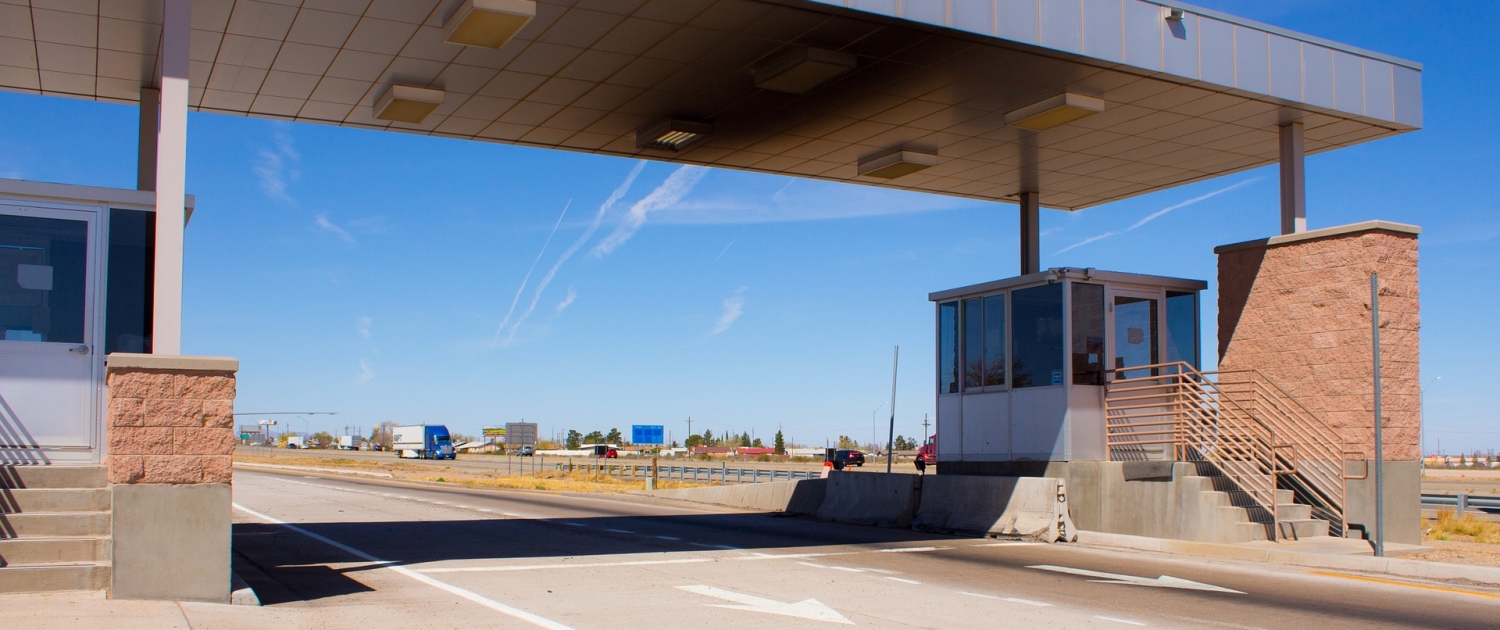
Weight regulations enforced by agencies like the Federal Motor Carrier Safety Administration and monitored during Department of Transportation inspections exist because overloaded trucks are far more likely to experience mechanical failure and cause accidents.
How Overloading Destroys Tire Life
Truck tires are one of the first components to suffer when a vehicle is overloaded.
Key tire-related issues caused by excess weight include:
-
Excessive heat buildup
Overloaded tires flex more than designed, generating dangerous heat that weakens internal structures. -
Rapid tread wear
Too much weight causes uneven and accelerated wear, especially on drive and trailer axles. -
Increased blowout risk
Sidewalls are under constant strain, making sudden failures more likely at highway speeds. -
Higher replacement costs
Tires wear out far sooner, increasing operating expenses and downtime.
An overloaded truck may look fine at a glance, but tire damage often develops internally—until it fails without warning on the road.
The Impact of Overloading on Brake Systems
Brakes are engineered to stop a specific amount of mass. When that mass increases, braking systems are pushed beyond their safe operating limits.
Overloading leads to:
-
Longer stopping distances
Heavier loads require more force and time to slow down, increasing accident risk. -
Brake overheating
Excess weight causes brakes to work harder, leading to fade, glazing, or total failure. -
Accelerated brake wear
Pads, drums, rotors, and slack adjusters wear out much faster under overloaded conditions. -
Higher risk on grades and mountains
Descents are especially dangerous when brakes overheat under excessive loads.
Brake failures caused by overloading are one of the most common reasons for emergency roadside calls—and one of the most dangerous.
Hidden Costs of Running Overweight
Beyond tires and brakes, overloading affects nearly every system on the truck:
-
Suspension damage
-
Axle and bearing failures
-
Frame stress and cracks
-
Transmission and drivetrain strain
-
Increased fuel consumption
Add in fines, out-of-service orders, missed deliveries, and emergency repairs, and the true cost of overloading becomes clear.
How to Protect Your Truck and Stay Road-Legal
To avoid premature failures and roadside breakdowns:
-
Know your GVWR and axle weight limits
-
Distribute cargo evenly across axles
-
Use certified scales before long hauls
-
Inspect tires and brakes more frequently if hauling heavy loads
-
Address unusual wear patterns immediately
Proactive weight management saves money and reduces the risk of dangerous roadside situations.
When Overloading Leads to a Breakdown
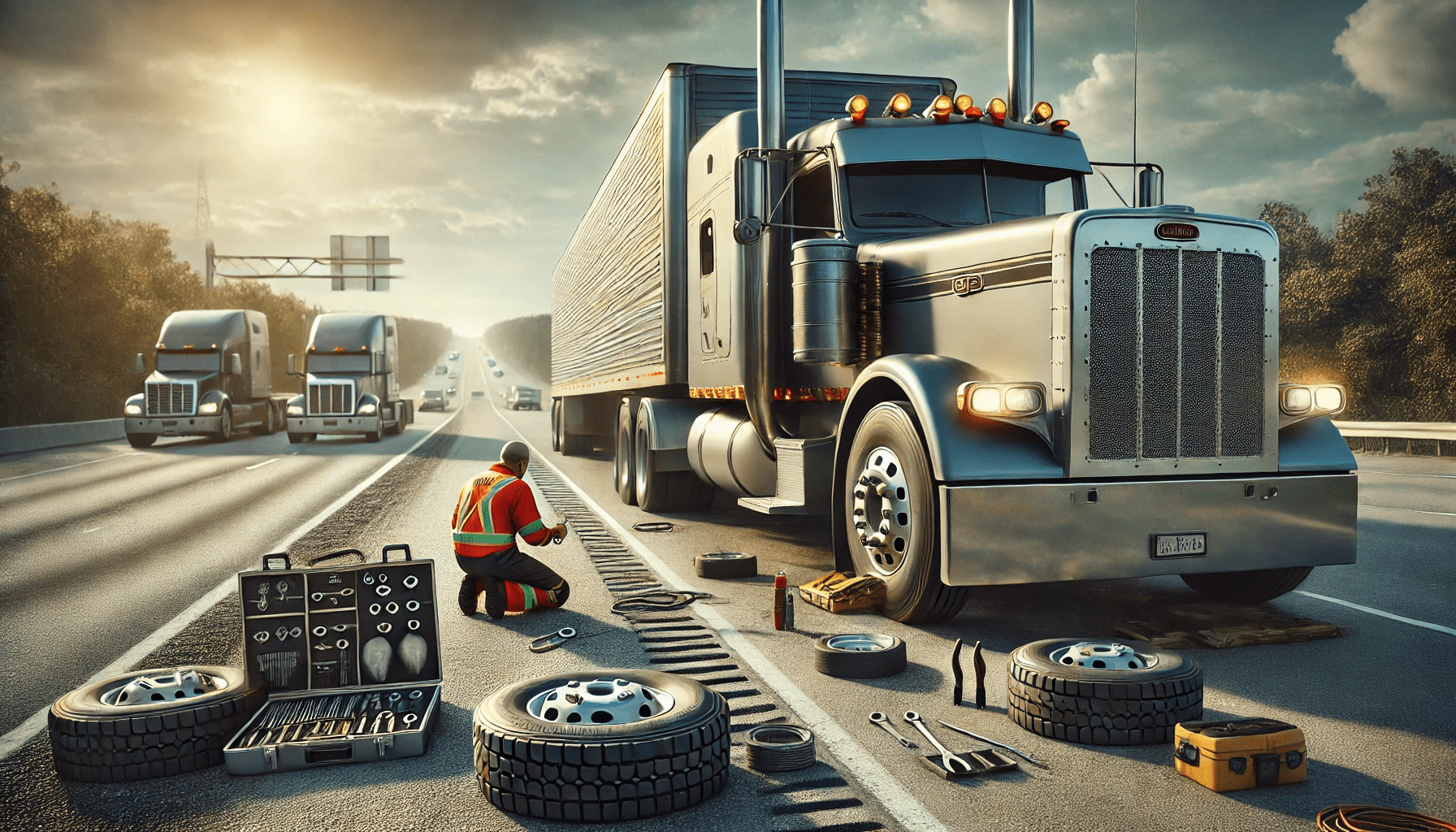
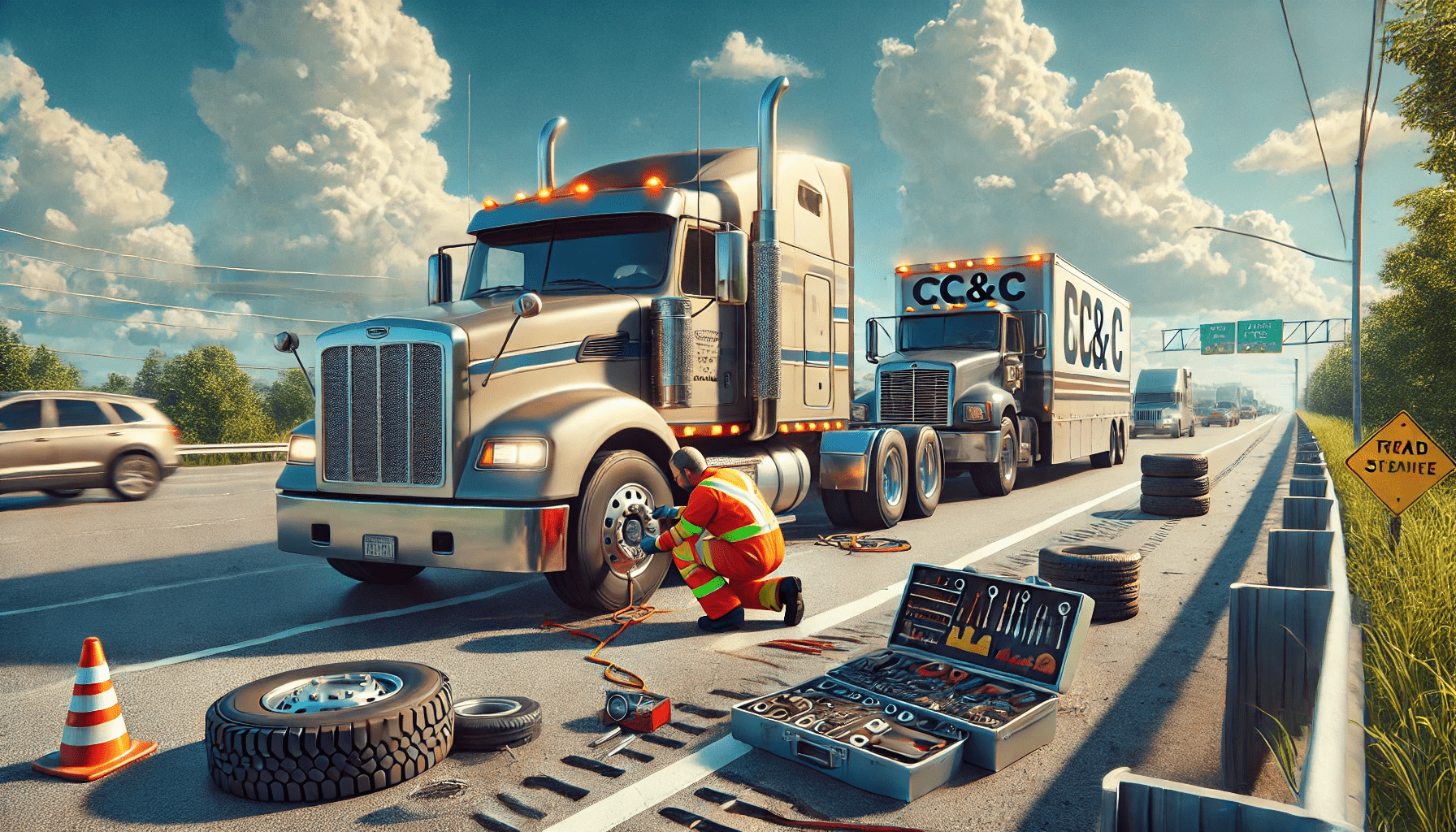
Even with the best planning, overloaded trucks can still experience tire failures or brake issues on the road. When that happens, fast, professional roadside service is critical. CC&C Roadside Truck & Trailer Repair specializes in emergency tire service, brake repairs, and roadside assistance to get drivers back on the road safely and quickly.
Understanding weight limits—and respecting them—can mean the difference between a smooth haul and a costly, dangerous breakdown. Staying within limits protects your equipment, your livelihood, and everyone sharing the road with you.
CC&C Roadside Truck & Trailer Repair – Keeping You Moving
423-442-3601
After Hours Emergency Line
423-404-3633