Understanding Diesel Fuel Contamination and Why It Matters. Clean, reliable diesel is the lifeblood of your truck’s performance and longevity. Unfortunately, contamination—be it water, microbes, sludge, or particulates—can creep into your fuel system at any point, leading to reduced power, clogged filters, and even engine damage. Understanding how to detect and address diesel fuel issues in the field can prevent major roadside breakdowns and costly repairs.

Understanding Diesel Fuel Contamination
Diesel engines are built for endurance, but even the toughest rig can be brought to a standstill by contaminated fuel. When water, dirt, or microbial growth sneaks into your tank, the results can be devastating—ranging from clogged filters and hard starts to full-on engine failure. For truckers out on the road, spotting and dealing with fuel contamination quickly isn’t just about saving the load—it’s about protecting the engine and avoiding costly downtime.
Spotting the Signs of Contaminated Diesel
Here are the most telltale indicators that diesel fuel may be compromised:
-
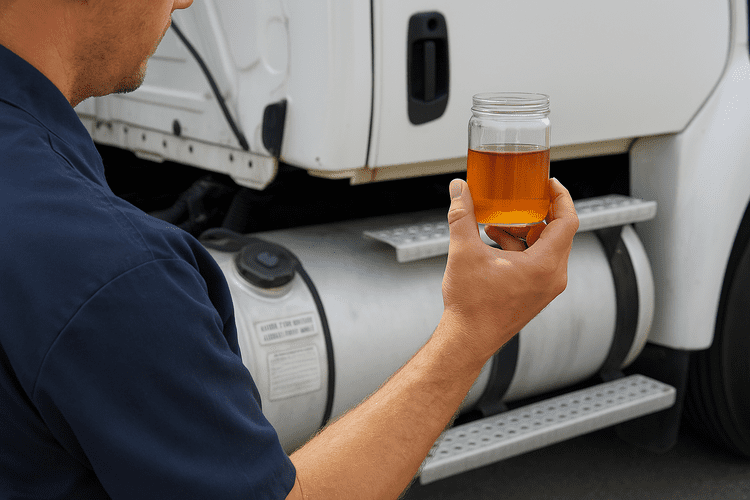
Discolored or Cloudy Fuel: Diesel should be clear and light. If it looks hazy, milky, or dark, it may contain water, oxidized fuels, or microbial growth Red River Oil Companytruckzone.ca.
-
Engine Performance Problems: Rough idling, loss of power, stalling, longer cycle times, increased fuel consumption, or excessive smoke can point to contaminated fuel affecting combustion or injector operation AXI Internationaltruckzone.ca.
-
Foul or Unusual Odors: Contaminated fuel, especially with microbial growth, can give off a sour or rotten smell Red River Oil CompanyWestern Global.
-
Frequent Filter Clogs: Fuel filters that clog prematurely often signal water, sludge, or microbial biofilm presence bellperformance.comtruckzone.ca.
-
Rust or Corrosion in Fuel System: Water contamination can lead to visible rust or corrosion in tanks, lines, or input systems Red River Oil CompanyAtoB Fuel CardWikipedia.
-
Water at Tank Bottoms or Testable Water: Using standard paste or test kits—water in diesel may settle at the bottom or appear cloudy when mixed California Food & Agricochetfuel.com.
Field Detection Techniques
When you’re out on the road or at a job site, these simple checks can save you:
-
Visual Check with a Flashlight: Pour a small amount of fuel into a clear container. Cloudiness or floating particles indicate contamination fuel.doctorCalifornia Food & Ag.
-
Water Detection Paste or Test Kits: These turn color upon contact with water and are quick, reliable ways to check for free water in the tank fuel.doctorCalifornia Food & Ag.
-
Fuel Separator Inspection: Check your vehicle’s fuel water separator—draining or visual volume accumulation is a sign of water intrusion Defense Technical Information CenterWikipedia.
Dealing with Contaminated Fuel, Step by Step
-
Stop Driving on Contaminated Fuel: Even brief continued operation can damage your engine.
-
Drain Settled Water: If you have a water separator, drain it fully and continue monitoring.
-
Replace Fuel Filters: Contaminants clog filters quickly, so timely replacement is crucial.
-
Refuel Carefully: Use trusted suppliers and ensure clean, proper fuel before restarting.
-
Fuel Polishing (Storage Tanks): For long-term solutions, cleaning and filtering stored fuel is essential—especially in bulk tanks Wikipedia.
-
Get Professional Help if Needed: Persistent performance issues or extensive contamination mean it’s time to call in the pros.
Why CC&C is Your Fuel Contamination Solution
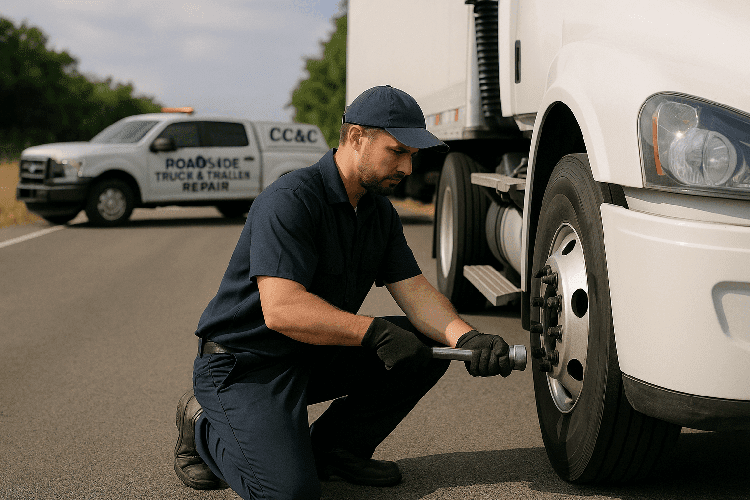
If you’re stuck on the road due to fuel contamination, CC&C Roadside Truck & Trailer Repair has your back. We offer:
-
24/7 Emergency Fuel System Checks
-
Rapid Filter and Separator Replacement
-
On-Site Fuel Diagnostics
-
Full-Service Fuel System Cleaning Support
Prevent downtime, protect your engine, and keep your fleet moving smoothly.
Final Thoughts
Fuel contamination isn’t always obvious—but it’s always costly. By recognizing the warning signs early and taking swift, informed action, you can avoid performance loss, engine damage, and expensive roadside emergencies.
Need assistance now? Contact CC&C Roadside Truck & Trailer Repair for fast, expert help—wherever your fuel takes you.
CC&C Roadside Truck & Trailer Repair – Keeping You Moving
423-442-3601
After Hours Emergency Line
423-404-3633